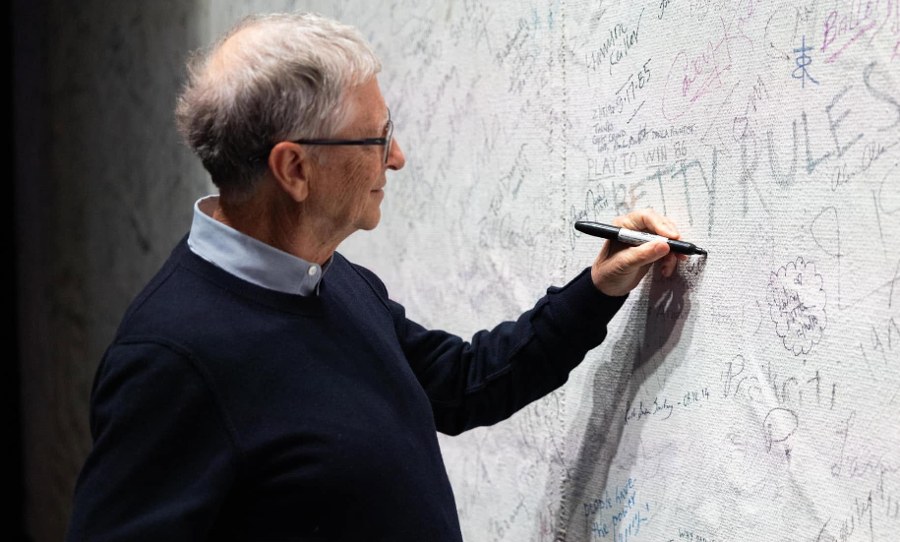
Bill Gates wrote a monster 6,000-word essay about AI and, basically, he’s turned on it.
Okay, he hasn’t completely turned on it, but he’s definitely gone cold. Gates still thinks artificial intelligence could transform healthcare, education and agriculture for the better, but saying the tone has shifted would be putting it mildly.
His main argument is that AI isn’t like the technological revolutions that came before it. Machines are no longer just replacing physical labour; they’re starting to replace human thinking, and they’re doing it at a speed that gives governments very little time to work out what happens next.
One of his more interesting ideas is something he calls “Human Reserved” jobs: roles that should stay human even if AI becomes capable of doing them. That could mean childcare, aged care, mental healthcare and other work where empathy, trust and actual human connection are part of the job.
Gates is also pretty upfront about what AI could do to employment. He expects white-collar jobs including entry-level law, customer service, data analysis and software engineering to take a hit, with robots increasingly moving into construction and hospitality later this decade.
His response includes taxing AI tokens and robots, with the money going towards retraining workers and helping people displaced by automation. He also wants much stronger international oversight of advanced AI, particularly around cyberattacks, biological weapons and other high-risk uses, alongside greater cooperation between countries including the US and China.
Another concern is what increasingly persuasive AI companions could mean for young people. Gates warns that systems designed to be endlessly responsive and personalised could become even harder to pull away from than social media, with obvious risks around isolation and dependency.
Gates still sees enormous upside in the technology, especially in places where access to doctors, teachers and other resources is limited.
What has actually changed is the level of caution. After years of talking about AI mostly in terms of what it could unlock, Gates is now putting much more emphasis on what happens if governments fail to set limits early.
For one of tech’s most famous optimists, that’s a pretty notable shift.