Kids can be little shits. There are no two ways about it.
I know this partly because, at primary school, I was called “Tampon,” which felt pretty stupid at the time and now mostly feels like evidence that kids are not always operating at peak imagination.
The strange thing about being bullied when you’re young is that hindsight eventually gives you all the answers you didn’t have at the time.

Stop believing them. Understand that the kids making your life miserable were probably carrying around their own miserable shit, and cruelty was simply the easiest place to put it.
Maybe they grew out of it. Maybe they’re still, well you know….
Either way, eventually you realise their assessment of you was never useful.
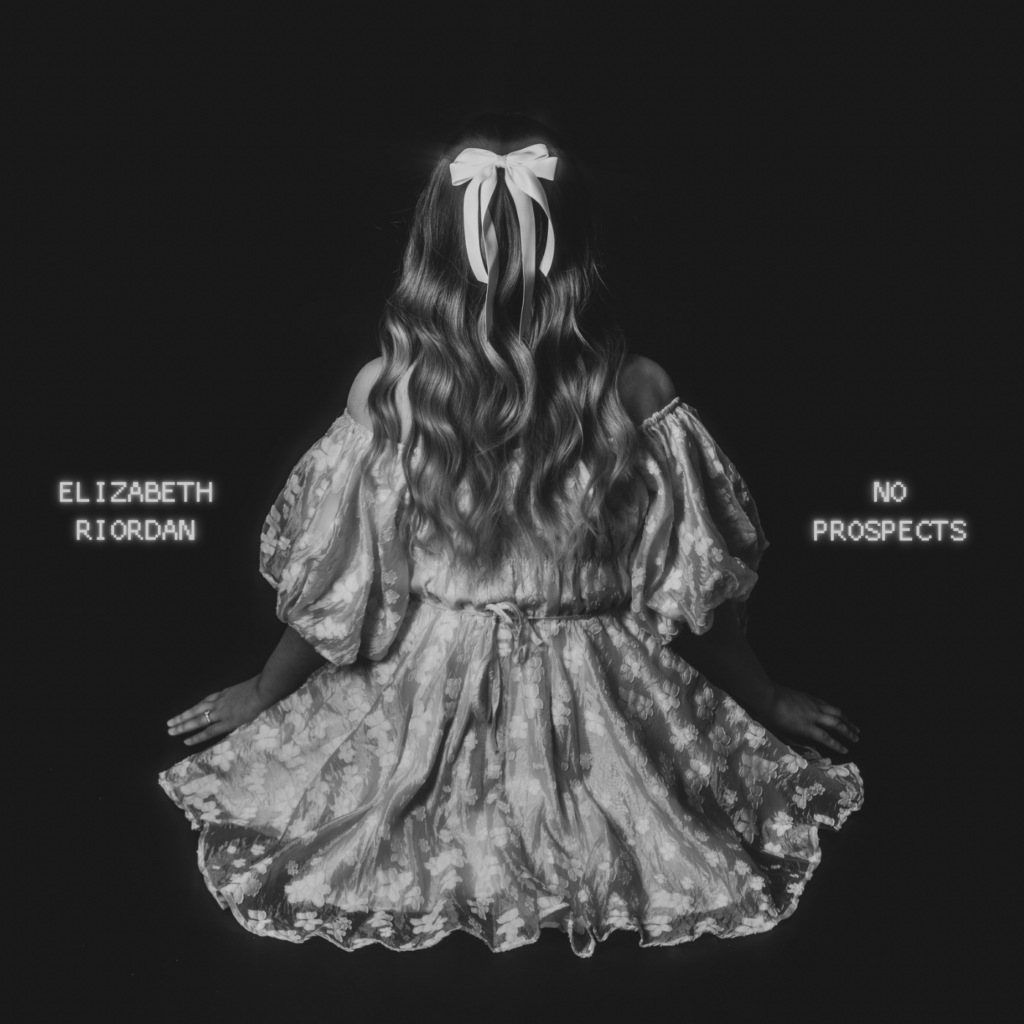
For Geelong songwriter Elizabeth Riordan, that assessment came with a name: “No Prospects.” It was a nickname given to her by classmates in high school, less nickname than casual little prophecy that she wasn’t going to amount to much.
Years later, Riordan has taken those words back for her second album, No Prospects. But importantly, she isn’t particularly interested in saying I told you so.
“No Prospects isn’t about proving people wrong,” Riordan says. “It’s about proving to yourself that your worth has never depended on someone else’s expectations.”
Riordan has since built a career spanning film, television and games, picked up international awards and become a Recording Academy voting member. She has plenty of evidence she could wave in the faces of those old classmates.
That she chooses not to is part of what makes her and the album so interesting.
Otherwise, this could very easily have become an eight-track in your face victory lap. Instead, No Prospects is far more compelling: confident and big when it needs to be, tender when it doesn’t, and built around the slower, messier process of figuring out who you are once you stop letting other people answer that question for you.
Written during a songwriting residency in Atlanta, the album opens with ‘Believe In Me’, where the guitar arrives sounding close enough to be sitting in the room with you. There’s air around it, a little looseness, then Riordan’s vocal comes in and everything widens.
It’s an early clue to what makes the record work.
Riordan likes the intimacy of something played in a room, but she also clearly loves pop. These aren’t confessionals left deliberately rough around the edges. There are big harmonies, layered vocals, synths and plenty of polish.
It places her in an interesting pocket of Australian singer-songwriter pop too, where intimate writing doesn’t have to mean keeping everything small. The feelings can stay close while the songs themselves reach for something much bigger.
‘Focus’ leans into that confidence, edging towards R&B with a slightly sultrier feel. There’s attitude here, but it feels very earned – self-belief without the motivational-poster language that can make songs about empowerment fairly unbearable.
‘Thoughts on Paper’, featuring Ido Sagir, pulls things closer again. There’s tape warmth, generous space around the instrumentation and harmonies that are genuinely beautiful without being stacked into oblivion.
Then ‘Don’t Let Go’ goes the other way.
A small synth intro opens into glossy, reverbed pop vocals, and if you’re looking for the track that shows exactly what Riordan can do as a singer, this is probably it. There is real power in her voice, but she never spends the whole song trying to prove she has it.
That restraint becomes one of the album’s better qualities.
On ‘My Time’, the self-belief sitting at the centre of No Prospects comes fully into view. Riordan sings about falling, learning and finally drawing a line in the sand. When she lands on “it is my time,” you believe her, not because the record has spent five songs insisting she’s unstoppable, but because it has shown you some of what it took to get there.
‘Holding On’ might be where the record’s two sides meet best.
Synths sit around an almost in-the-room piano, polished pop production wrapped around something much more organic. Riordan reaches higher vocally here, offering another glimpse of her range, but again there’s a feeling she’s keeping something in reserve.
There are shades of Delta Goodrem in that combination of piano, pop scale and emotional directness, but the track gradually gets grittier as it goes. The piano keeps cutting through everything around it, almost like the song’s spine.
Then comes ‘No Prospects’.
And actually, scrap that: this might be the album’s best track.
There’s a reason the record carries its name.
The piano is stunning, Riordan’s vocal sits somewhere between vulnerable and completely assured, and for the first time the story behind the album stops feeling like an idea and becomes something you can actually feel.
There are moments where its emotional scale recalls the great power balladeers, even a little Celine Dion, but that’s less about vocal similarity and more about understanding when to go big and, more importantly, when not to.
This one catches in your throat.
The album closes with ‘Discoveries – Live in Studio’, and bringing everything back to the room is exactly the right choice.
After all that polish, we’re left with Riordan reflecting on love, pain, healing and what she’s learned along the way. Piano sits at the centre before violin quietly deepens everything around it.
“I discovered a sun, that there’s healing in the rain,” she sings, before landing on the simple image of sand between her toes carrying pain away.
It’s a beautiful closer, but it also exposes something important about Riordan’s songwriting.
Strip these songs down to piano or guitar and they would still stand up.
The production gives No Prospects much of its identity, that balance of warmth, room ambience and immaculate pop layering is one of the record’s strongest signatures, but it isn’t hiding anything. Underneath it are songs solid enough to survive without all the nice stuff around them.
And by the end, something slightly unexpected has happened.
I started No Prospects thinking about how awful kids can be. Somewhere across these eight songs, that feeling shifts through anger, self-awareness, gratitude and eventually something approaching being ridiculously glad to be alive.
That’s a fairly big journey for eight tracks.
Against a childhood prediction of “no prospects”, the obvious temptation is to point at everything Riordan has achieved and say: well, look who’s laughing now.
But that would miss the point of the record.
The best revenge here isn’t success.
It’s reaching the point where you don’t need revenge at all.
Listen to No Prospects below.