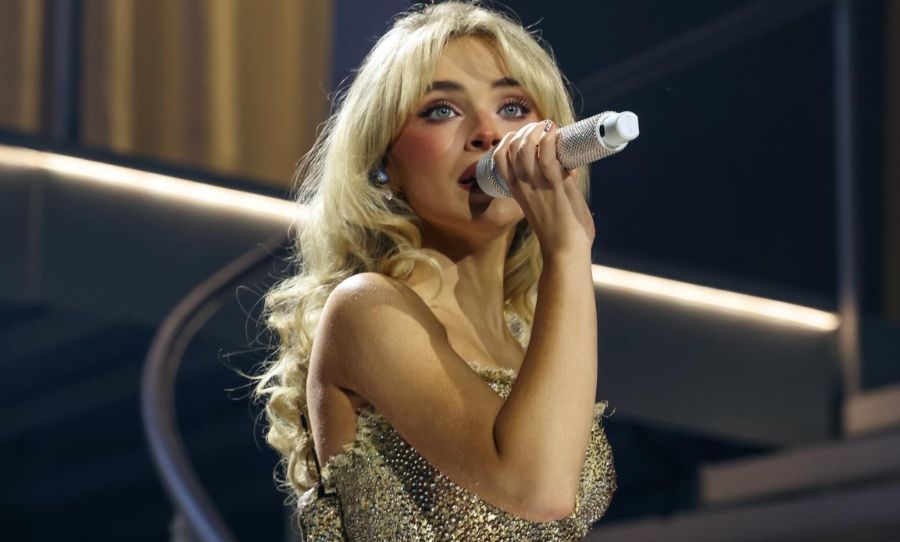
A pop star’s stage performance becomes part of a video shared by the White House.
The conversation began when a White House video incorporated Carpenter’s song ‘Juno‘ alongside footage related to immigration enforcement.
While the song is playful and lighthearted, its inclusion in a government post prompted Carpenter to publicly address the use of her work.
The video was later edited to remove the audio.

Rather than backing down, the White House leaned further in.
Spokesperson Abigail Jackson responded directly to Carpenter, twisting the singer’s album title and lyrics while defending the use of the footage as part of their broader deportation messaging.
Her reply ignited a second wave of outrage, with fans accusing the administration of weaponising a pop star’s branding to justify traumatic state force.
The tone signalled clearly that the White House wasn’t treating this as a misfire, but as an opportunity to stir engagement.
The situation has highlighted ongoing questions about the use of artists’ work in public messaging.
Carpenter’s performances and brand have been adapted in ways she did not directly authorise, leading to broader discussion about copyright, consent, and creative context in digital media.
As the White House continues to share posts involving Carpenter’s music and imagery, audiences are watching to see whether additional clarifications or responses will follow.
These edits drew renewed attention online, with fans and social media users commenting on the use of her likeness and work in a political context.
The situation has sparked broader discussion about how artists’ work can be incorporated into public messaging, especially when the original content is comedic or promotional rather than related to policy or government communications.
Carpenter’s performances and brand were adapted without her direct involvement, raising questions about consent, copyright, and the ethics of repurposing creative material.
Observers noted that while government use of popular culture can engage audiences, it also carries responsibility to respect the original creator’s intent and context.
As the White House continues to share posts involving Carpenter’s music and imagery, audiences are watching to see whether additional clarifications or responses will follow.