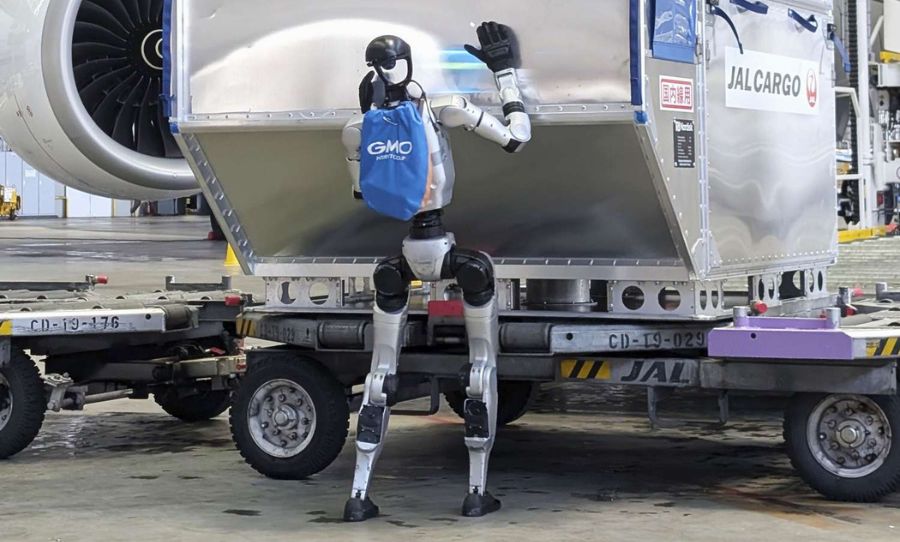
Another job hits the dust – so where do all the baggage handlers go now?
From May 2026, Japan Airlines is testing AI humanoid robots as baggage handlers at Tokyo’s Haneda Airport, one of the busiest airports in the world.
So what are they actually doing?
The robots are being used for the physical side of the job — moving luggage, pushing cargo onto conveyor belts, and handling equipment on the tarmac.
They’re not replacing staff outright. Humans are still handling safety, coordination, and anything high-risk. Think of it more like an extra set of hands.
The trial is set to run until around 2028, with the possibility of expanding into other tasks like cleaning aircraft cabins or operating ground equipment.
If you’re asking why Japan is doing this, it comes down to two things happening at once: tourism is booming, with millions of visitors moving through airports again, while the workforce is shrinking, with an ageing population leaving fewer people available for physically demanding jobs.
Airports might look automated on the surface, but behind the scenes they still rely heavily on manual labour.
These robots are basically a pressure valve for that.
The robots are humanoid (roughly 130cm tall), built to move like a person so they can work in existing airport spaces without redesigning everything.
They can operate for a couple of hours at a time before needing to recharge — so not exactly tireless, but enough to take some load off.
When it comes to the bigger picture, it seems this is less about replacing jobs overnight and more about filling gaps that are already there.
But it does raise the obvious question: if robots can handle baggage today, what else moves next?
Right now, it’s one airport, one airline, and a controlled trial. But it’s also a pretty clear signal of where things are heading – especially in industries that rely on repetitive, physical work.