Gone are the days of trippy AI art, these are actually useful images you can work with.
OpenAI has rolled out ChatGPT Images 2.0 (gpt-image-2), and the shift is pretty clear straight away and its nailed what its set out to do – it’s super useful.
Framed as a big upgrade, the new model puts focus on accuracy, text clarity and real-world applications, putting it in closer competition with Google’s latest image tools.
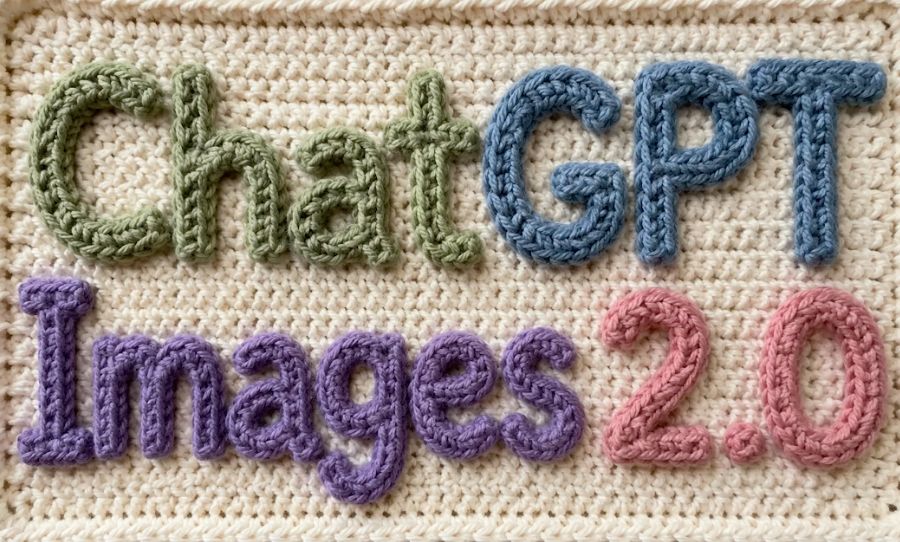
The text finally looks normal, because as we all know – this has been a weak spot for ages, and it’s largely sorted here.
Images 2.0 can generate clean, readable text inside images – things like posters, UI labels, signs, even handwriting – and it works across multiple languages.
It sounds basic, but it makes a big difference if you’re actually trying to use the output for anything beyond a concept.
There’s also now a “thinking” mode on higher-tier plans where the model takes a bit longer to generate images, but aims to be more accurate.
It can pull in real-world references, double-check details, and give you multiple outputs in one go. It’s not instant, but it’s more dependable – especially if you’re working on something specific.
One of the more noticeable changes is how well it handles structured stuff.
It can generate:
– UI layouts and app mockups
– dashboards and wireframes
– banner formats and mobile-friendly images
It also supports higher resolutions (up to 4K experimentally) and flexible aspect ratios, which makes it more usable across different platforms.
There are also two versions depending on what you need:
– Instant mode: fast, single image, available to everyone
– Thinking mode: slower, more detailed, multiple outputs and better accuracy
Pricing
For API users, it sits around:
– $30 per million output tokens (roughly $0.40 per high-res image)
– $8 per million input tokens
Not dirt cheap, but not out of step with other tools in this space either.
Because the outputs are getting more convincing, OpenAI has added stricter safeguards – especially around generating images of real people or sensitive events.
Overall, this feels like a more grown-up version of AI image generation, and more about making something you could actually use in a workflow without fixing it afterwards.