AI’s explosive rise is forcing the music industry to rethink authorship, originality, and who deserves recognition.
As AI spills deeper into the creative process, the Recording Academy is drawing to clarify where humanity ends and machine-making begins.
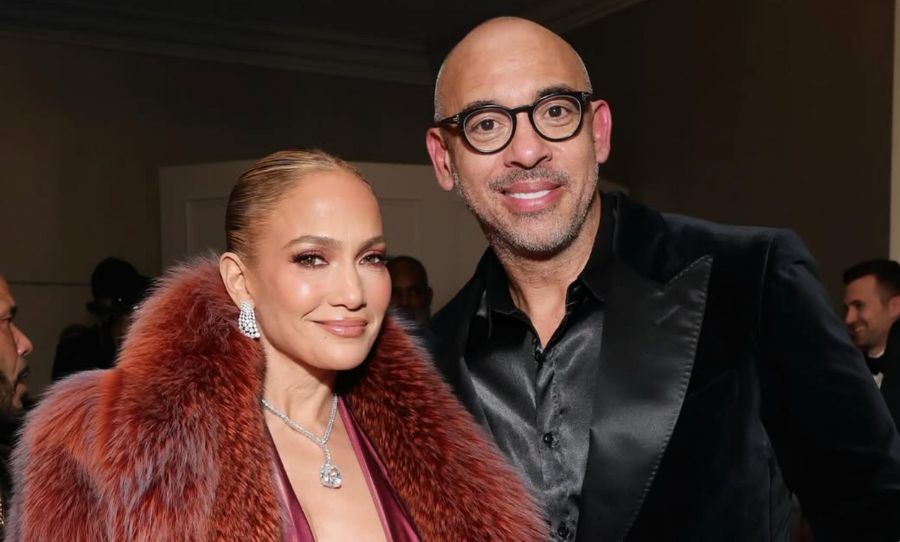
CEO Harvey Mason Jr. says the biggest challenge of his role is navigating an invention that’s rewriting music in real time.
Mason admits that steering the Grammys through the age of generative AI wasn’t a responsibility he anticipated but it’s now the most pressing one.
Representing more than 40,000 Academy members, he’s trying to champion human creators while acknowledging that AI is already part of everyday studio life.
“We’re still figuring out where to sit with all of this,” he says, calling the technology both unavoidable and increasingly influential.
Inside studios, Mason says AI use ranges from casual to foundational.
Mason isn’t alone in noticing the trend.
Major artists have already gone public about using AI in subtle ways.
Pusha T to trial feature ideas, Charlie Puth for backing textures, Teddy Swims to tweak vocal takes, Timbaland to push production boundaries.
The result? A creative landscape where AI is everywhere and nearly impossible to detect by ear.
Yet the Grammys won’t automatically disqualify AI-assisted music.
What matters, Mason says, is that humans remain at the heart of the performance and that the tech doesn’t impersonate another artist’s likeness.
With AI evolving faster than regulations, the Academy faces a future full of grey areas and shifting definitions of authorship.
But for now, Mason’s message which was shared in s new interview with Billboard is simple: creativity can involve tools, as long as the human remains the author.