Aussie creators can breathe a little easier – Australia’s government just drew a big AI line in the sand
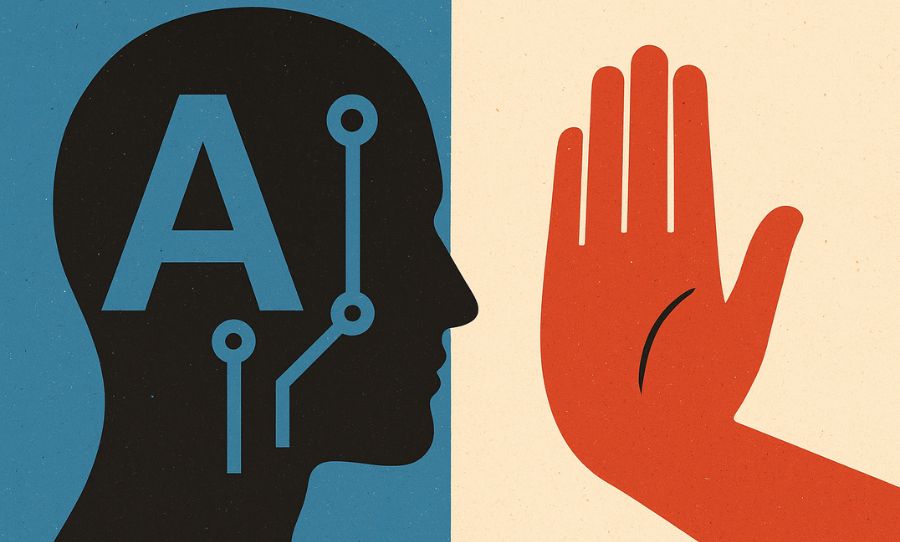
On Monday, the Albanese government confirmed it won’t be introducing a “text and data mining” exception to copyright law – basically, a loophole that would’ve let AI companies train their models on music, film, writing, and art without asking permission or paying for it.
Attorney-General Michelle Rowland shut it down hard. Speaking on ABC’s AM, she said, “We will not be entertaining a text and data mining exception.” Translation: if AI wants to use your work, they’ll have to play fair. Rowland also hinted that a licensing system and transparency standards could be next – meaning AI developers might soon have to fess up about what content they’re feeding into their machines.
Creative orgs like Screenrights, Screen Producers Australia, and the Australia New Zealand Screen Association quickly backed the call, saying it’s a “sensible and pragmatic” decision that keeps innovation and creativity on the same team. Music rights body APRA AMCOS went further, calling it a “significant moment for Australian creators and our cultural sovereignty.”
It’s no secret tech companies like Google, Meta, and OpenAI have been pushing governments worldwide to loosen copyright laws in their favour. But after pressure from local artists – including heavyweights like Peter Garrett — the government’s decision marks a rare W for the creative side.
“This isn’t rocket science,” Rowland said. “These are some of the smartest people in the world – they can figure out how to build royalty systems into their platforms.”
PPCA CEO Annabelle Herd summed it up neatly: “It’s not for tech giants to determine how creators’ IP is used.”
The move puts Australia in line with growing global resistance to unlicensed AI use, following the UK’s decision to drop a similar proposal earlier this year. For now, creators can breathe a little easier – their work, at least in Australia, is still theirs.