AI music has another lawsuit on its hands.
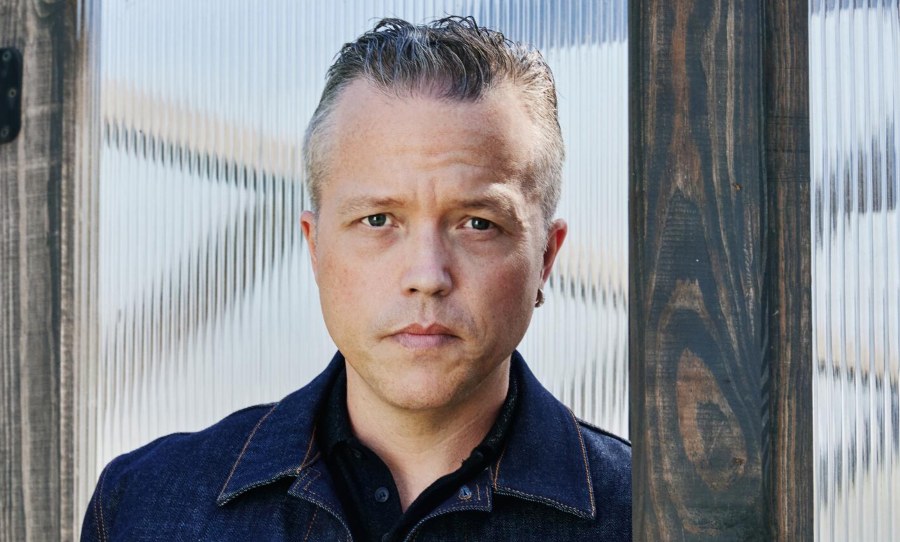
Jason Isbell has joined David Lowery, Guy Forsyth and Eduardo Calle in a proposed class action against AI music generator Suno, accusing the company of using musicians’ identities without permission.
Interestingly, this isn’t really a copyright case. The musicians argue Suno has built a system capable of recognising artists by name and generating music that draws on their distinctive voices, styles and other identifiable traits.
According to the filing, typing “Jason Isbell” into Suno’s latest model produced an Americana track called ‘Paper Bell’, complete with fingerpicked acoustic guitar and imagery that the lawsuit argues was designed to evoke Isbell.
The plaintiffs also allege Suno has collected and stored musicians’ “voiceprints” while training its models without getting their consent.
Suno says its platform is designed for original creation rather than imitation, and its guidelines prohibit users from recreating existing songs or using another person’s voice or likeness without permission.
The musicians argue those protections don’t go far enough, claiming artist-name filters can be worked around and that musicians’ identities are already baked into the system.
“A musician’s identity is their property, but Suno took it without consent,” the complaint argues.
It lands at a particularly busy moment for AI and music lawyers. Suno is already facing separate copyright actions over the material allegedly used to train its models, while artists, labels and publishers continue trying to work out where inspiration ends and infringement begins.
This case pushes that question somewhere slightly different, into identity, imitation and what an artist actually owns about the way they sound. One Jason Isbell has taken very personally.