South Korea is taking on one of the entertainment industry’s biggest elephants in the room: soaring actor salaries.
The government has joined forces with the country’s biggest production companies and talent agencies in a bid to stop ballooning pay packets from pricing smaller films out of existence.
The new “Korean Film Production Revitalization Agreement,” signed by the Ministry of Culture, Sports and Tourism, the Korean Film Council (KOFIC), leading agencies including BH Entertainment, Management Soop and J-Wide Company, and major film producer organisations, aims to keep actor fees in check for government-supported mid-budget films.
Under the voluntary agreement, lead and supporting actors will receive less than 10% of a film’s total production budget.
The move follows years of concern that the explosion of global streaming services, particularly Netflix, has dramatically inflated actor salaries across South Korea’s entertainment industry.
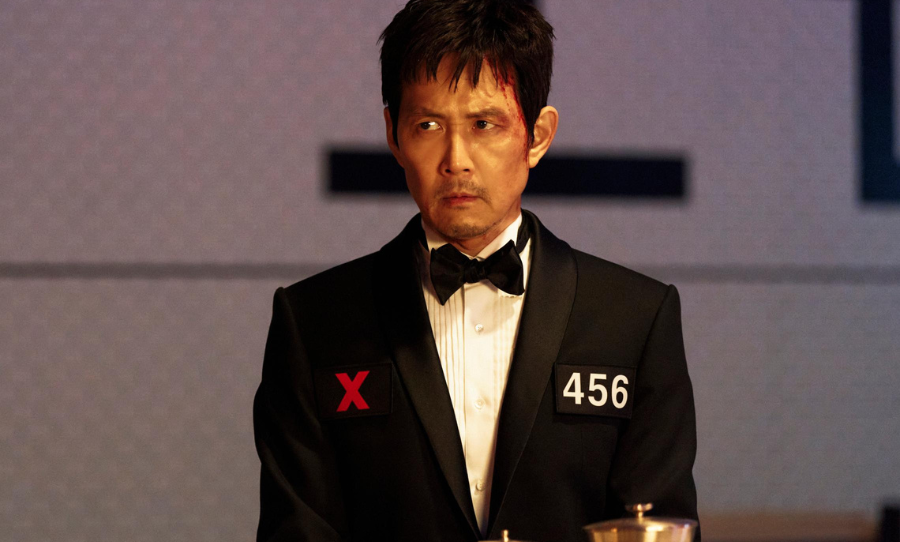
Big-budget productions have become the new normal. When Life Gives You Tangerines reportedly carried a production budget of around 60 billion won, while Squid Game reached an estimated 100 billion won.
Reports that Lee Jung-jae earned around US$1 million per episode for Squid Game Season 2 only fuelled the conversation, with the actor later acknowledging he had received a significant payday.
The government hopes lowering actor fees will free up money for more productions.
Netflix has already moved in a similar direction, introducing a reported fee cap of 300 million won for many productions in 2025, while maintaining that it negotiates each project individually based on its scale and production requirements.
The agreement isn’t legally binding, however, and only applies to mid-budget films, leaving some industry observers skeptical about how much it can actually change.
Whether this marks the end of blockbuster-sized actor paydays remains to be seen—but South Korea has officially started the conversation.