An anchor of the music scene over in Perth.
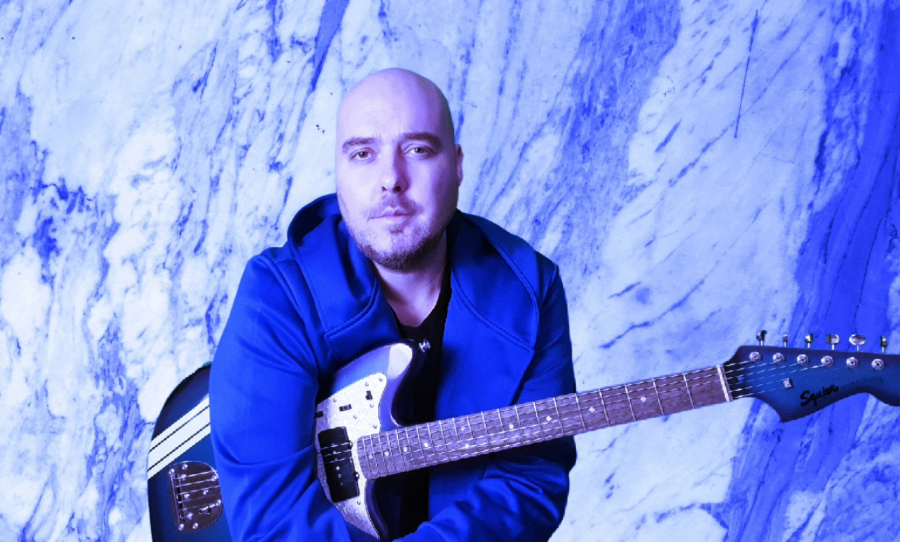
Stuart Bishop, the man behind The Nodding Acquaintances, has been a lynchpin of the Perth music scene since the ’80s.
Being the owner of Flatspin Recordings, Stuart tells us he has recorded over hundreds of bands.
View this post on Instagram
So, ff there is one thing this man knows, its how to surf the control room of a recording studio.
Now, under the band name The Nodding Acquaintances, this one-man powerhouse is pulling together strings of Bob Dylan and The Rolling Stones to make rock n’ roll his own.
With the newest EP, Light of Day, The Nodding Acquaintances present us with a “whimsical selection” of tunes and its enough to quench the thirst of any rock n’ roll aficionado missing the legends of the era.
Down below, Stuart runs us through recording processes, gear, and hands out some absolutely crucial advice for aspiring music makers.
HAPPY: What are you up to today?
STUART BISHOP: Today I will be recording Andy and 5PM. He’s recorded a few albums/Singles/EPs here with various bands he’s in (Sister Switchblade, Crosseyed Lover, Baby Jane) but today he’s doing some work on his solo stuff.
He’s always got something on the go and has been coming around for years. He’s what I call a repeat offender. There’s a few Flatspin clients in that category actually.
HAPPY: You’ve spent decades recording other people’s music through Flatspin. What have all those years on the other side of the desk taught you about your own songwriting?
BISHOP: I always tell bands to have their songs ready and rehearsed and to avoid workshopping them here.
I learned the recording process becomes exponentially more difficult if the song isn’t ready and that can lead to difficult changes needing to be made before the song is ready for even a first listen.
I used to start recording with just a guitar part I came up with because I could. Trying to fit a song around a guitar part is not a quick job so these days I get the songwriting done including lyrics if possible before recording
HAPPY: Tell us about Light Of Day – given your prolific songwriting ( you write around 50 songs a year) What separates a song you keep from one that gets left behind? What was the cohesion that meant these ones made it to the EP?
BISHOP: To be honest the songs on Light Of Day are a whimsical selection.
I had a bit of peer pressure to put something out. There’s so much to choose from that I just randomly played tracks and if I couldn’t think of anything more I wanted to add to them they were in.
For some unexplained reason started playing songs from 2021 and didn’t even get halfway through the year before I had 5 songs which I reckoned was about the number needed for an EP.
HAPPY: You often record instruments and vocals live, with minimal overdubs and first takes left intact. What are you listening for in a take if technical perfection isn’t the goal?
BISHOP: I just want it to sound as I expect it to sound. I.e. I know what I sound like and I know if I’m over doing or pushing for something I’ll never get.
In other words I know my limitations and as long as the recording isn’t actually floored I’ll keep it until the next revision. This process has become easier over the years because I write a song and record it into my phone with just voice and acoustic guitar and if I still like it a couple of days later I record it properly.
The phone record/re-record process can go on for weeks before I either keep or abandon a song. And I abandon heaps. I usually have about 3 or 4 on the go at a given time.
HAPPY: There’s a real sense of restraint across the EP. After years of producing and recording, has knowing what not to add become as important as knowing what to add?
BISHOP: Yes. I only record what I know I can pull off instrumentally and vocally. I have tried getting excellent players in to add to my recordings and never used any of it.
I intentionally don’t give them much guidance because I want their input and I certainly don’t want to put anyone through me trying to tell them how to play.
HAPPY: Tom Petty, Dylan, the Stones and classic country-rock all seem to sit somewhere in the foundations of these songs. Who taught you the most about keeping songwriting simple without making it feel slight?
BISHOP: Tom Petty has always had the production I like especially the Jimmy Iovine era. The Stones have the humor, loose feel and swagger I like. And Bob Dylan of course has the melody and lyrics.
HAPPY: What piece of gear can you not live without – essentials?
BISHOP: Got to say the acoustic guitars for songwriting of which I have a ‘65 Gibson and a 90s Gibson Hummingbird. But for recording I couldn’t do without the 1978 Fender Telecaster I bought brand new in Soho for 350 quid in 1978 which is on everything.
HAPPY: You’ve been running Flatspin since 1997, through enormous changes in how music is made and consumed. What do you think musicians have gained, and lost, along the way?
BISHOP: The recording process has become heaps easier and more user friendly.
Of course the engineer still has to know the studio’s recording equipment well but overdubs and mixing/mastering have become alot easier than it was back when we used tape. I couldn’t go back to tape.
It took forever to record/mix/master. There was no instant availability to the current state of the mix. It all had to be recreated on the mixing desk from memory or notes.
HAPPY: In an era of AI music, endless editing and songs that can theoretically be polished forever, does making something quickly and leaving the rough edges in feel more important to you now?
BISHOP: Yes. I love to listen to bands’ outtakes.
It’s one of my favourite parts of the band release cycle. You get the human connection behind the instrument/voice.
HAPPY: After spending so much of your career helping other artists make records, what are you getting from The Nodding Acquaintances that you weren’t getting elsewhere, and where do you want to take it next?
BISHOP: I get immediate availability of recording gear and artist. The Nodding Acquaintances was in fact just that when I first built the studio in the 90s.
Band members I knew from bands I’d been in who would come over and record on my songs. But that fizzled out because I wasn’t getting the envisaged outcomes and slowly lapsed into doing everything myself.
But I kept the name because those musicians are still exactly that. Note that many of them come over and do their own projects here to this day.
HAPPY: Any advice for this generation of music creators?
BISHOP: I actually record alot of young bands here.
Probably because I’m so affordable and I work pretty quickly. I therefore impart to them not be too precious to begin with. Get the song down quickly and if you still like it in a couple of days we’ll tidy it up then.
I tell them not to spend alot of time making something perfect until you’re sure it’s what you want.
HAPPY: Lastly, what makes you happy?
BISHOP: That’s easy. If the band is happy I’m happy.