Marshall Milton A.N.C. gets the blind test treatment with five Australian artists
There are plenty of ways to test a pair of headphones, but putting them in front of artists without telling them what they’re listening through is a pretty good place to start.
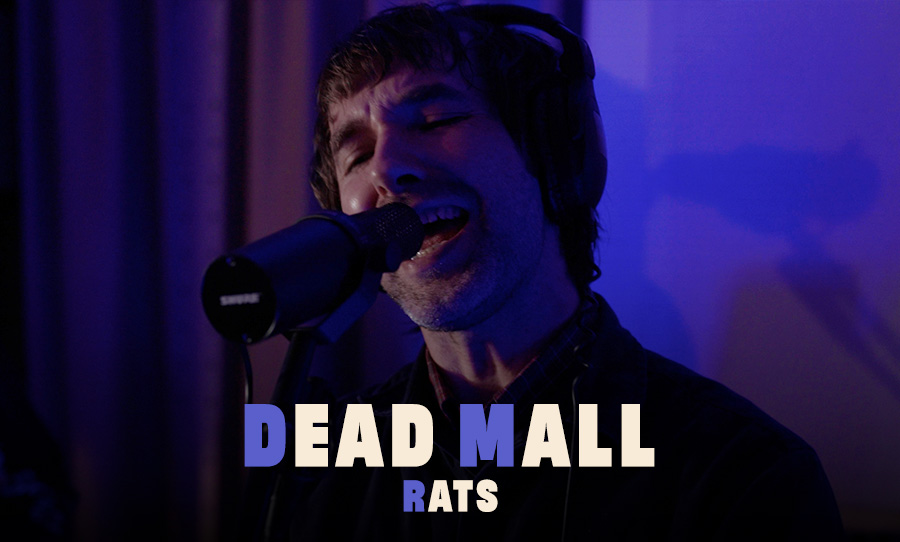
That was the idea behind our Marshall Milton A.N.C. blind test, where five Australian artists sat down, put the headphones on, and reacted to the sound before the reveal.
Taking part were Kristen Darl, Miya Zawa, Gary Collocott from The Colliflowers, Kolya Chan from Large Mirage and Youngn Lipz. Different artists, different ears, different relationships with sound, all coming at the headphones without the brand doing any of the heavy lifting.
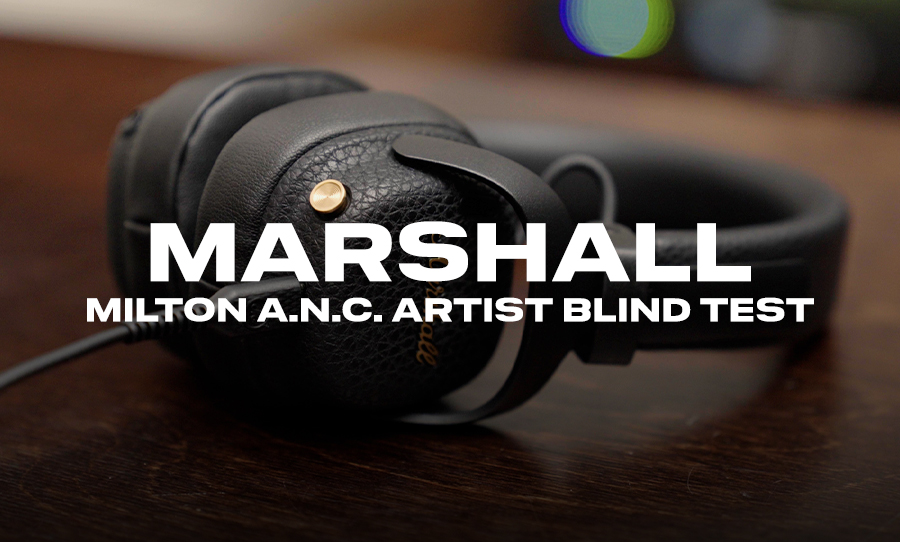
The Milton A.N.C. is Marshall’s latest on-ear headphone, built around adaptive active noise cancelling, long battery life and the brand’s familiar amp-inspired design. It sits in a neat spot in the range, carrying the portability of an on-ear pair while bringing in features that feel closer to a premium listening setup.
For artists, that balance matters. Headphones are rarely judged in a clean lab setting. They get judged in vans, studios, green rooms, airports, bedrooms and late-night writing sessions. They need to sound good quickly, feel comfortable, block out enough of the world, and survive being thrown into a bag.
The blind test made that pretty clear. Without seeing the logo or knowing the model, the artists responded first to the sound. The Milton A.N.C. delivered a big, immediate listen, with enough clarity to keep vocals and detail forward, and enough weight to make a track feel alive.
Kristen Darl brought a songwriter’s ear to the test, listening for the kind of detail that can make or break a vocal-led track. Miya Zawa came in with a sharp pop instinct, reacting to the overall feel and energy of the headphones. Gary Collocott from The Colliflowers brought the band perspective, the sort of listening where drums, guitars, bass and vocals all need their own space.
Kolya Chan from Large Mirage was the rock ear in the room, listening through the lens of tone, width and impact. Youngn Lipz brought a completely different world of reference, with the low-end, vocal presence and overall punch carrying real weight in the listening experience.
Across the board, the reaction was strong. The artists listened blind, took in the sound on its own terms, and ended up loving the headphones.
Part of that comes down to what Marshall has built into the Milton A.N.C. The headphones use adaptive ANC and transparency mode, so they can block out outside noise in real time or let the world back in when needed. There’s also Soundstage spatial audio, adaptive loudness, a customisable M-button and support for higher-quality wireless listening through LDAC.
Battery life is another major piece of the puzzle. Marshall rates the Milton A.N.C. at more than 50 hours of playtime with ANC switched on, and up to 80 hours with ANC off. A 15-minute quick charge gives up to 9.5 hours of listening, which makes them an easy fit for anyone moving between sessions, shows, flights and daily use.
Physically, they stay true to the Marshall look. Black textured finish, brass-style detailing, foldable frame and a compact on-ear build that feels more like music gear than a tech accessory. At 200 grams, they’re light enough for long listens without losing that classic Marshall feel.
That was the real point of the blind test. Strip away the styling, the brand name and the spec sheet, and the headphones still had to land with people who spend their lives listening closely.