Study finds UK films are more likely to feature a lead actor named Chris than a woman over 60.
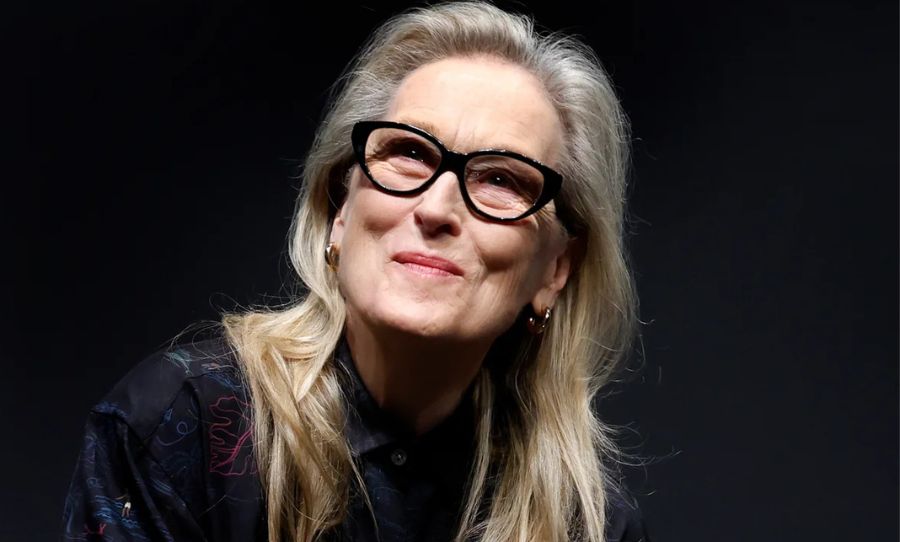
Sitting on Graham Norton’s couch, Meryl Streep famously stated that the year she’d turned forty, she’d been offered three different witch roles.
At the time, the couch had laughed, and so did Streep. She’d continued, with a smile, ‘I felt it was sending me a signal. About Hollywood and how they felt about people turning forty.’
This clip would continue to circulate: a funny joke that we’d laugh over before it eventually died down. That joke, however, is more than just a joke. It really comments on something greater.
Throughout film and television, male actors continue to evolve. Their age is never really an issue in reference to acting roles they may not be able to take because they’re ‘too old.’ New James Bonds, a fourth John Wick; Pitt, Cruise, Hanks, De Niro, all actors who have never seemingly ‘passed their prime.’
However, for women, it is different.
A new study found that, out of the top films from the past three years at the U.K. box office were more likely to feature a lead actor named Chris than a lead actress over the age of 60.
The Age Without Limits survey also found that films are four times more likely to have a talking animal as the lead character than a female actor over the age of 60.
Oscar-winning actor Emma Thompson calls on the film industry to have better representation of older women in film, showing her support of the Age Without Limits campaign.
She states, “Women are half the population and we get older. So where are the stories about us? The older we get, the more interesting we are. I want to see more films centre aging women. We are compelling, relatable, and overdue for centre stage.”
The study goes on to compare five films featuring a lead actress over the age of 60, and six films featuring a lead actor named ‘Chris’, all released in the last three years. It’s all very funny and absurd until you realise that this isn’t just a commentary on ageing women in film, but also just women ageing in general.
Age is rarely brought up more than when it comes to women. It’s like there’s a ticking time bomb on our relevance, our beauty, our bodies. Think of all the cliches you’ve ever heard about men losing interest in their wives as they age; a woman’s worth is so intrinsically intertwined with her youth and fertility.
It’s like when a woman is no longer of child-bearing age, society turns away from her, unable to look at her anymore. Once again, society’s inherent misogyny wins out. Though research on menopause has increased over the last thirty years, we continue to let women down in a notoriously underfunded and overlooked area of important medical knowledge.
I remember when I watched this Fleabag monologue, I rushed to tell my mother about it.
In the scene, Fleabag meets Belinda at a Women in Business awards ceremony. Belinda explains her experience with womanhood, how it felt to go through menopause before describing how she finally felt “free.”
In conversation with my mother after, I’d explained that I felt that at her age, she had really entered a new era of her life, a life purely for herself; a beginning rather than an ending.
We’ve also seen the sort of glorification that comes with an older woman in a lead role, particularly in the discourse surrounding Demi Moore’s The Substance and her subsequent award season run, including wins at the Golden Globe, Critics’ Choice and SAG for Best Actress.
People would say it was an incredible feat “despite her age,” as if the movie was not a commentary on that exact issue.
Menopausal and postmenopausal women are really at an age of beginning. A new type of story, one worth telling on the big screen.
Emma Thompson said it best, ‘The older we get, the more interesting we are,’ so I think we should maybe hit pause on creating another James Bond franchise with an older man and start telling new stories about older women, who are not witches, or raggedy, grotesque actresses striving for youth again.