The AI cameras of today will spot the road incidents of tomorrow.
As we continue to get deeper and deeper into the throes of the 21st century, AI has steadily emerged as the biggest contender for improving and disrupting life as we know it.
Recently, the Australian government has been pushing its limits by using it to prevent cyberattacks, shark attacks and now, intersection attacks.
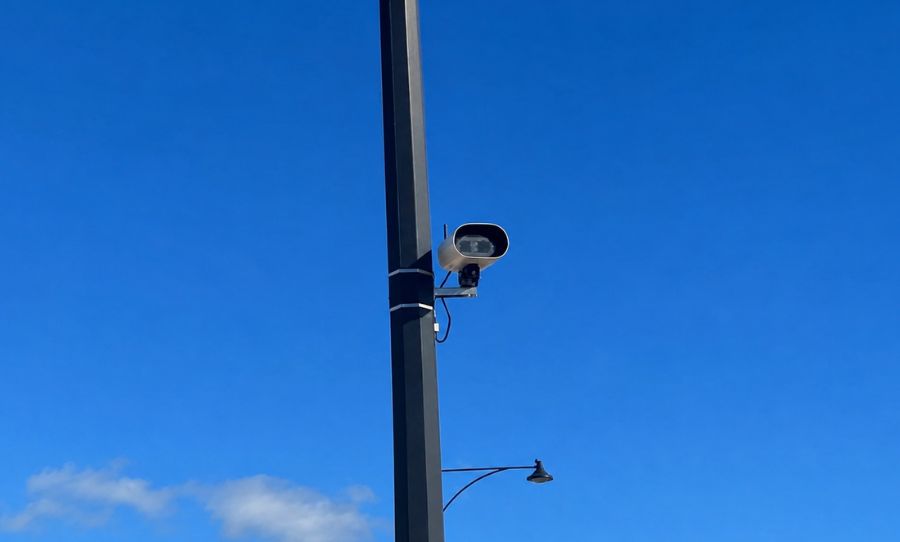
Over in Perth, the City of Stirling and the Western Australian Road Safety Commission have teamed up to install “non-enforcement devices” across six intersections, equipped with AI-powered roadside cameras.
One might assume the cameras will be used to catch motorists who speed, run red lights or use their devices.
But they won’t.
Instead, the devices will use AI to monitor traffic and detect every time there’s a near-miss between vehicles, pedestrians and cyclists.
By gathering this data, Stirling Council hopes it can determine whether certain changes need to be made to the intersections.
So how does it actually work?
The AI technology within the portable camera devices will specifically analyse vehicle speeds, movement patterns and the overall traffic diversity of the intersections.
Despite privacy concerns from locals, Stirling Council has emphasised that the cameras will blur out faces and number plates, only focusing on the task at hand.
In response to the news, folks online have jokingly asked “how much copper is in it” and questioned whether there’s some kind of hidden agenda behind the cameras.
It is a little bit of a bizarre road safety trial, but the technology has already been used before during a one-off trial that took place over three months.
The findings from that study showed there were 38 near-misses a day at the targeted intersection, with the majority being right-angle T-bone crashes.
The people of Stirling may not be entirely won over yet, but if the cameras are actually able to prevent future incidents on the road, then it could be an absolute win for AI technology.