Why artists are increasingly forced to say what their songs aren’t
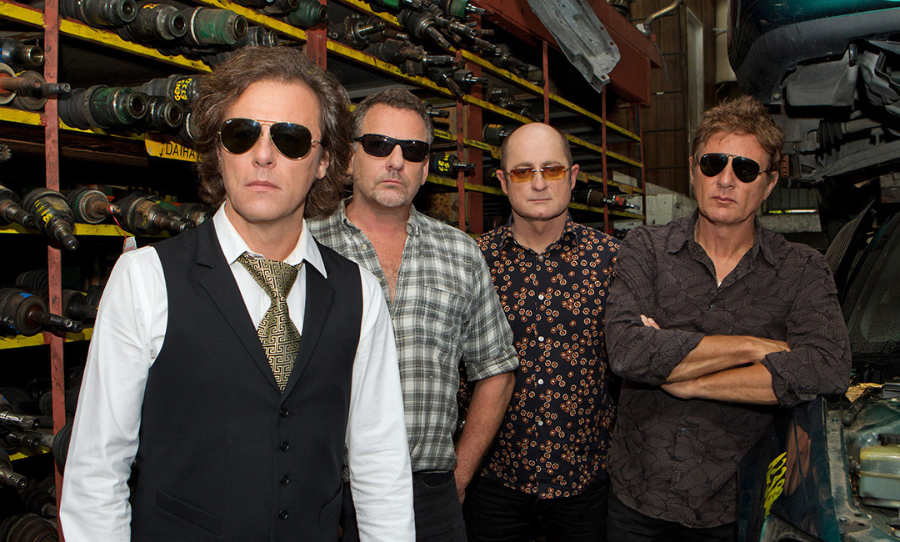
After One Nation used the band’s song ‘What’s my Scene?’ at a public rally, Hoodoo Gurus frontman, Dave Faulkner made it clear the answer, at least for him, was not this one.
Pauline Faulkner publicly condemned the party’s use of the track on social media, distancing himself and the band from One Nation’s politics. He stated,

“We were disgusted to hear that one of our songs was played by a bunch of wannabe fascists yesterday (One Nation). Like most Australians, we have always been appalled by Pauline Hanson and the toxic nonsense she spouts. This is our message to her and her followers: don’t play our music, don’t listen to our band…”
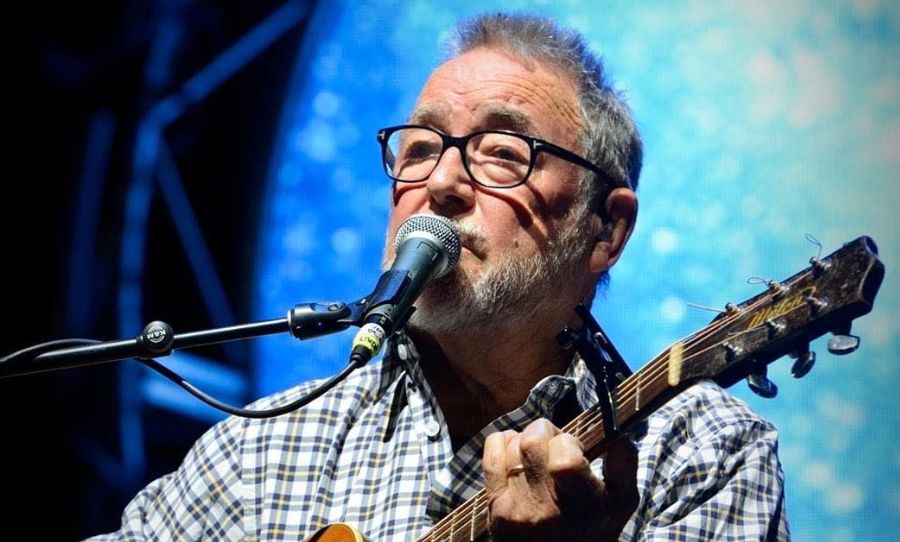
This isn’t an isolated incident, in the past few weeks alone, Colin Hay of Men at Work pushed back against anti-immigration protestors adopting ‘Down Under.’ Internationally, artists like Bruce Springsteen and Rage Against the Machine have spent decades watching their work be misunderstood and outright contradicted by the movements using their songs.
Pop music, as it turns out, is extremely easy to sing along to, and very very easy to misread.
Faulkner, in conversation with ABC Radio Perth stated that “we don’t want anyone else’s grubby hands all over our work and putting words in our mouths–we don’t associate ourselves with stuff like that.
I think we really should have the right to say no usage at all for any sort of political cause unless we agree with it.”
Artists, like Hoodoo Gurus are increasingly being forced to step in and say what their songs aren’t, rather than what they are. It’s not about dictating meaning, as much as it is about refusing association.
Statements, like Faulkner’s, are often necessary, as sometimes artists who say nothing risk having their work folded into narratives they don’t support.