“It is bigger and louder than the old Prime trilogy.”
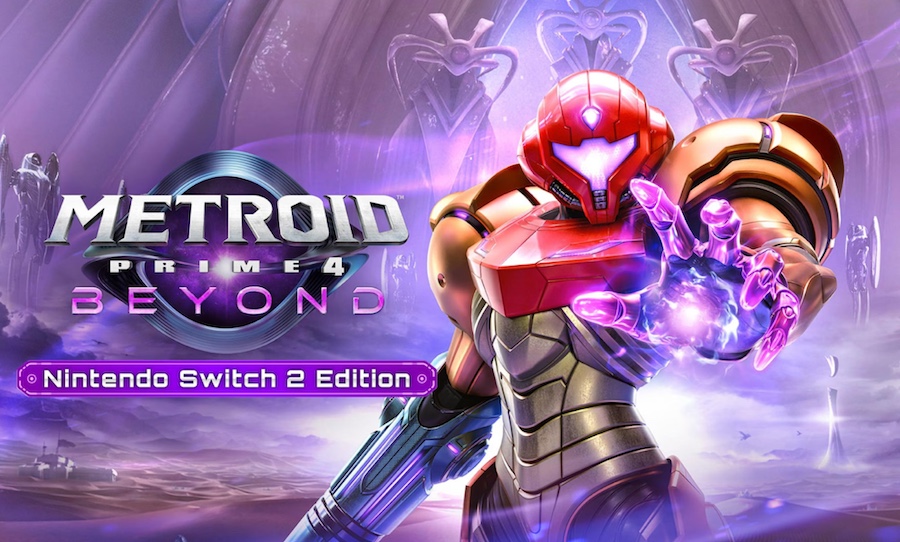
Metroid Prime 4: Beyond is a bit of a mixed bag, juggling flashy ideas, old-school exploration, and a handful of chatty sidekicks.
Some moments hit like a nostalgia-packed rocket straight to the heart, while others feel a little clunky, especially the sprawling hub zone that doesn’t always know what to do with itself.
But when it’s at its best, you’re left cruising through alien worlds in total isolation, blasting bad guys, and loving every second of it – messy bits and all.
To set the scene, the game kicks off with a relic, a battlefield, and the return of Sylux, who has been lurking in Metroid lore for what feels like forever.
Retro Studios clearly wanted this entry to land with some weight. It is bigger and louder than the old Prime trilogy, but it hangs onto that signature tension the series built its name on.
Moment to moment, the gameplay leans into slow paced, heavy combat that feels deliberate rather than twitchy. Lock-on aiming keeps the shootouts readable for newcomers, while veterans can still free-aim if they want the added challenge.
The real spice, though, is in the new psychic abilities. One lets you guide an energy shot through tight puzzle routes, another packs a punch when you are rolling around in Morph Ball form.
They take a bit to click, but once they do, they slot naturally into both puzzle solving and boss fights.
Visually, this is easily one of the cleanest looking games on the Switch 2. Early areas glow with ruined tech and eerie skylines, and the Volt Forge in particular is a jaw-dropper.
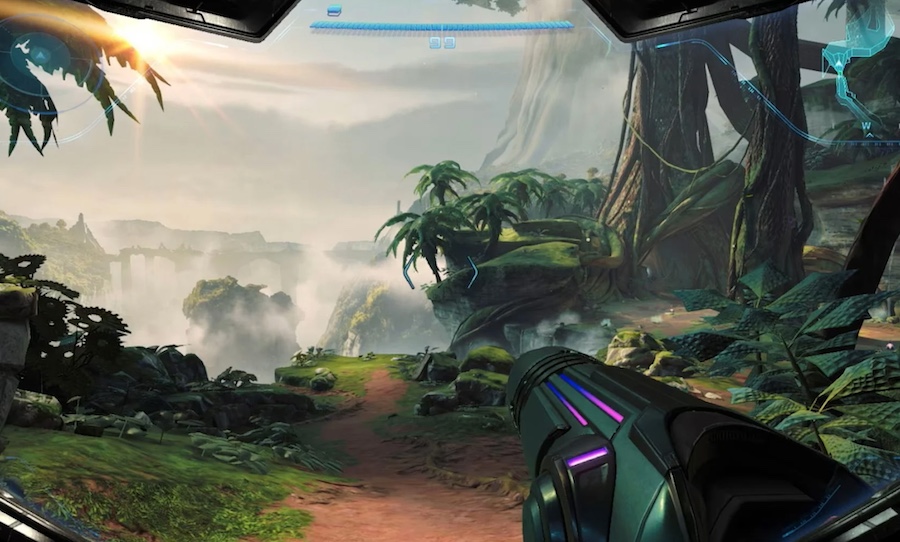
The performance stays buttery smooth, which helps the atmosphere land even harder. It is the sort of game you stop playing for a second just to stare at what is around you.
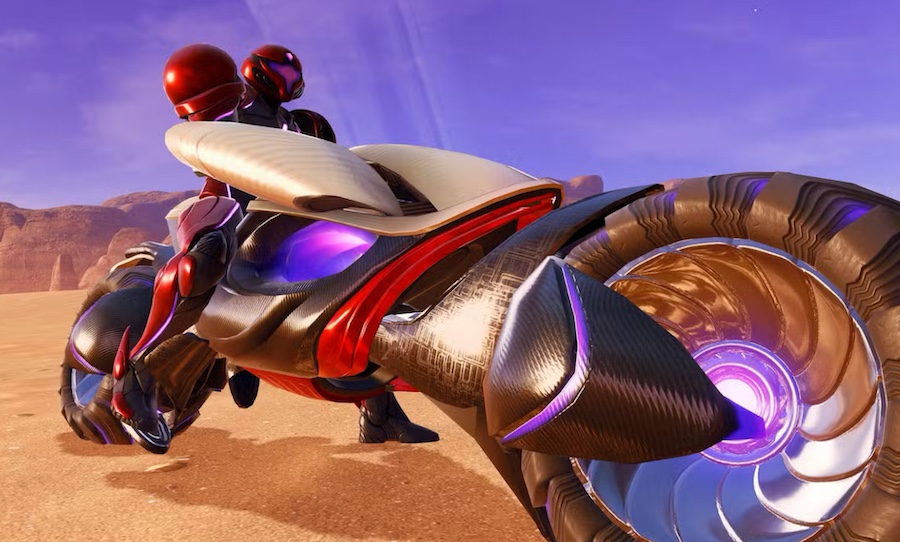
The pacing, though, is a mixed bag. Some regions drag longer than they should, and the much-hyped motorcycle takes a fair while to unlock, only to become more of a novelty than a necessity.
The open hub zone also feels weirdly empty, as if it is waiting for content that never arrives. Even Sylux, who should feel like the big event, ends up strangely forgettable.
Still, when the game tightens its focus, it absolutely sings. Combat feels weighty, exploration feels dangerous, and the world never really stops pushing back against you.
For casual players, this is a stylish, confident return for Samus, even if a few design swings land a little off target. It is not a perfect Prime, but I loved every second with it and it is one worth diving into both for first timers and the fans that have been waiting many, many years.