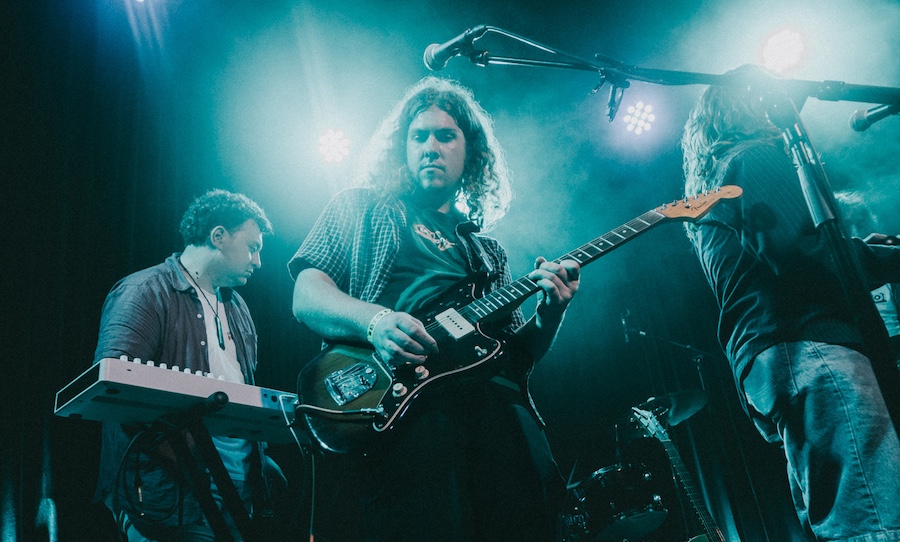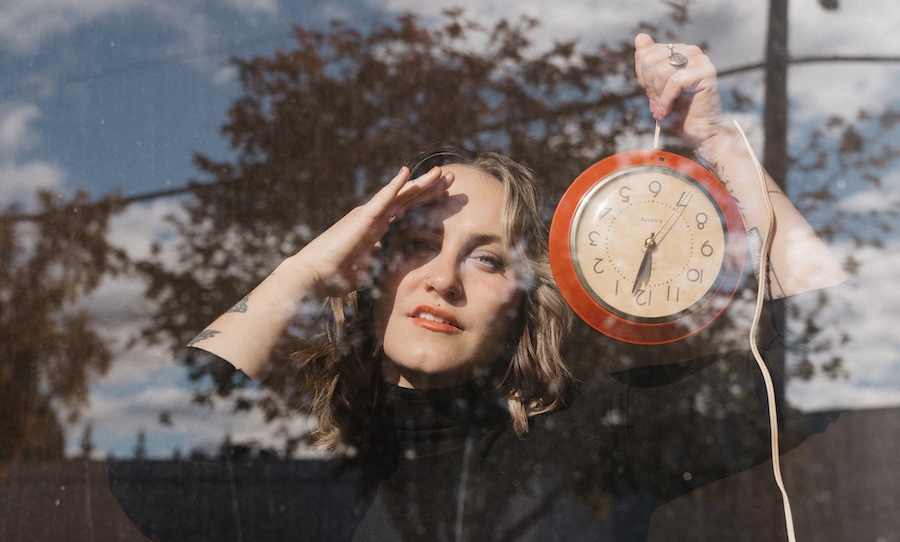
The dynamic artist runs us through the major inspirations for their EP.
With the time being an eclectic collection of songs, the influences came from all around – some that more generally inspired the sonic landscape of the record, and some more specifically.
Here is a collection of 10 recordings that really informed the musical headspace I was in while making this album.
Hey, Who Really Cares by Linda Perhacs
Shifting perspectives and changing understandings pulse through this great Perhacs track, set upon a scene of acoustic guitars and haunting synths.
There is a sense of pleading to be heard in this track, and the time is one of the first albums I’ve written where I really centred my own inner experience.
I’ve historically been called to write songs about what is outside of me, but it is confessional lyrics like this one that gave me the courage to offer something more deeply personal.
Ophelia by Becca Stevens
The narrative nature of this track has been such a lighthouse example to me of deeply affecting storytelling.
How Becca Stevens manages to centre the lyric and its story while still expressing with such an ornamented vocal delivery is something that I find myself reaching for in my writing as well, as a vocalist who really loves to integrate melisma and push and pull with different timbres.
It’s Not Just Me, It’s Everybody by Weyes Blood
I’ve been into Weyes Blood since her first record and have been such a fan of the layered production elements.
I find her songs seem to strike a beautiful balance between this almost stripped back 1970s Carole King singer-songwriter sound with a psychedelic dive into effects like long reverbs, delays and tremolos.
There’s a lot of moment on the time where acoustic sounds collide with synths and electronic elements, and this tune and really the last two Weyes Blood records were a big inspiration to me in this regard.
B61 by Aoife O’Donovan
This tune comes from one of my favourite records of the last five years, Age of Apathy by Aoife O’Donavan.
The slow burn of the arrangement, how it develops from its almost rubato acoustic and piano opening to a deeply groovy chorus laden in harmony and finally rooting down into bass and percussion.
The syncopation of the chorus rhythm really inspired how I approached the phrasing of “Soft Shoe”.
Save It For Later by The English Beat
I was listening to a ton of 80s new wave when I wrote this record. I think the influence particularly shows up on tracks like “More Than This” and “One More Day”.
The way that beat-driven and even anthemic sounds that we might hear in pop music can still convey a tender lyric is something I’ve always been drawn to about the genre.
The English Beat, Roxy Music, New Order, XTC, Tears for Fears – all these bands really hold a special place in my heart.
When You Sleep by My Bloody Valentine
There’s something about wall-of-sound guitars meeting a great melodic hook that fires me up.
My Bloody Valentine is such a fall/winter band for me – not really sure why, but there’s something nostalgic about them that I crave especially as the seasons change.
The big electric guitars on “Blindfolded” were inspired by post-rock and shoegaze, and this was the first record I remember getting into that had that thick electric sound that rocked my stereo.
Michelangelo by Cassandra Jenkins
The spoken vocal approach that Jenkins uses on all of her album An Overview on Phenomenal Nature really moved me – there is a gentle intimacy there.
I really tried to draw on a similar approach with my own vocal delivery throughout the time.
The whole arrangement on this tracks with synth, acoustic stringed instruments, a bit of a gnarly electric guitar – it’s really a similar palate that I tend to draw from myself.
Really dug the snare sound on this record too.
Little Big Girl by Anaïs Mitchell
Conceptually “Little Big Girl” really reflects so much of what I explore on the time.
The passage of time, our intergenerational relationships, nostalgia and memory and how they inform our present.
This self-titled album of Mitchell’s has been a favourite of mine since I first heard it.
Angeles by Elliott Smith
A long time favourite of mine, I have always been touched by the almost-whisper Elliott sings with, and how it impresses his legato phrasing against his rhythmic and subdivided guitar parts.
The doubled vocal here and guitar picking pattern that is so idiosyncratic of Smith’s music is what I drew from on “Crow’s Feet”.
Words by Mallory Chipman.