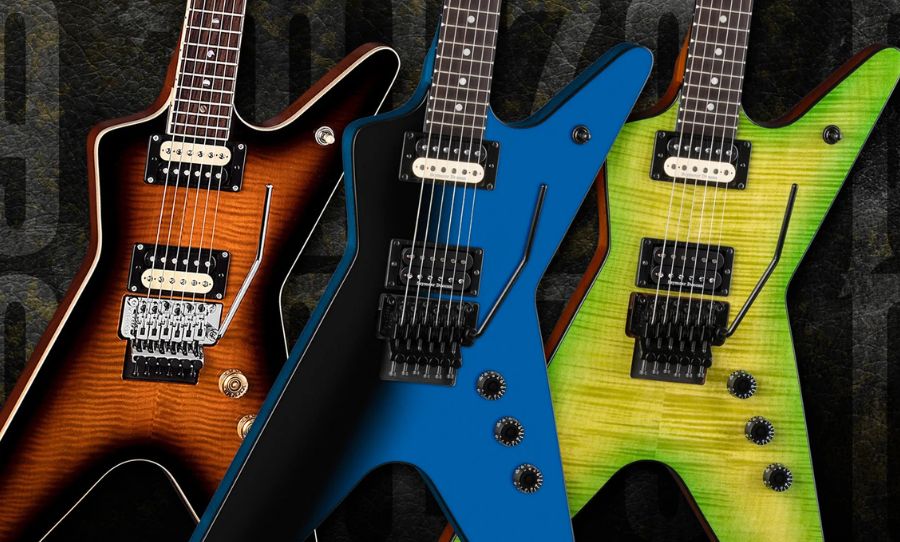
The company behind some of metal’s most iconic guitars says it’s business as usual — for now.
Dean Guitars has filed for Chapter 11 bankruptcy protection in the United States, marking the latest chapter in a turbulent few years for one of the most recognisable names in rock and metal gear.
Court filings lodged on June 9 show that Dean parent company Armadillo Distribution Enterprises and investment partner Concordia have jointly entered Chapter 11 proceedings.
The documents estimate Armadillo’s assets at between $1 million and $10 million, while liabilities could be as high as $50 million.
One of the company’s largest creditors is Valley National Bank, which reportedly holds an unsecured claim of around $3.3 million.
While broader economic pressures have affected much of the musical instrument industry, Dean’s troubles have been amplified by years of expensive legal disputes.
The most significant was a lengthy trademark battle with Gibson over several iconic guitar shapes. Gibson argued that Dean’s V and Z models infringed on its protected Flying V and Explorer designs.
After years of litigation and appeals, courts ultimately sided with Gibson, ordering Dean to stop marketing and selling the instruments.
Although Gibson was awarded just $1 in damages, Dean was also ordered to pay approximately $170,000 in legal fees, with additional court costs likely adding to the bill.
The company was also involved in a separate dispute with the estate of late Pantera guitarist Dimebag Darrell over rights connected to his signature guitar models, including the Razorback and Stealth.
Despite the bankruptcy filing, Dean is not shutting down.
Unlike Chapter 7 liquidation, Chapter 11 allows companies to continue operating while restructuring debt under court supervision.
In a statement released following the filing, Armadillo CEO Pamela Keris-Rubinson described the move as a “proactive step” designed to strengthen the company’s financial footing.
“We remain fully committed to our customers, our dealer network, and our employees,” Keris-Rubinson said. “Dean, Luna, and ddrum are strong brands, and this process will allow us to emerge as a more resilient organisation.”
The company has also stated that existing orders, dealer relationships and customer commitments will continue to be honoured throughout the restructuring process.
What happens next remains unclear. But for now, Dean Guitars isn’t disappearing – it’s simply trying to survive one of the most challenging periods in its history.