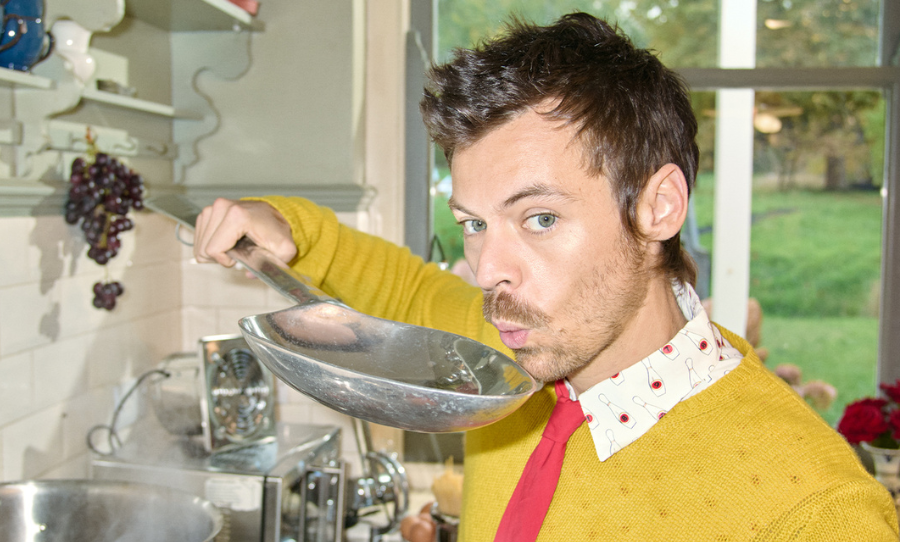
Ticket sellers may design the maze, but artists like Harry Styles decide whether fans have to run it.
In some ways, the faceless corporations behind ticket sales have become music’s most reliable boogeyman: we get to scream at them while our favourite artists stay conveniently undisturbed. Queues crash, prices surge, fans fume – and the artist’s brand stays clean.
Or at least, that’s the idea. But as Harry Styles’ ticket prices start creeping towards rent-money territory, it’s worth asking; when do we start assigning the artist some of the blame?
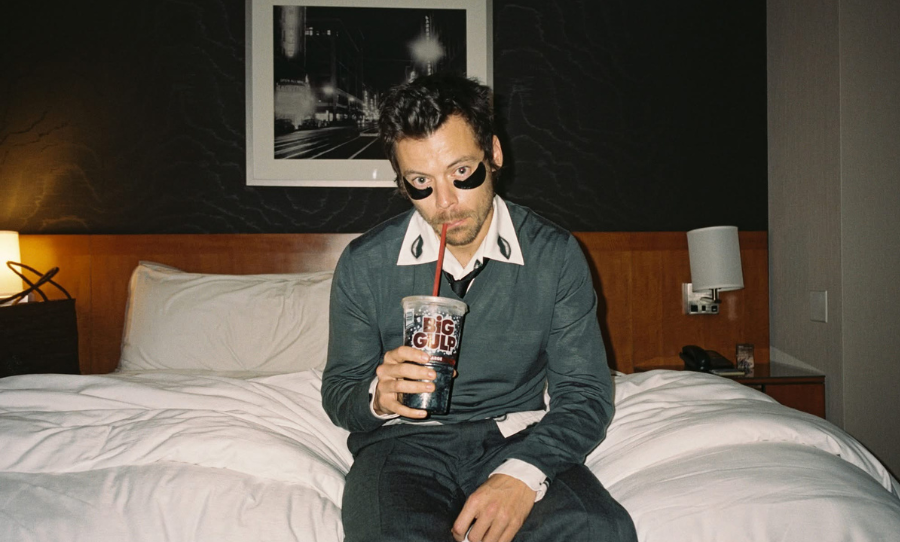
Dynamic pricing is routinely framed as an unfortunate inevitability, as if the system independently decided to test the upper limits of fandom.
But surge pricing isn’t an act of nature. It’s a feature artists like Harry Styles can cap, reshape, or publicly push back against.
When those options go unused, the system stops being the sole villain and starts functioning as a very convenient buffer.
Taylor Swift notably opted out of dynamic pricing for The Eras Tour. While her ticket prices remained high (with some packages above $1000), she was able to maintain something more important. Her relationship with her fans.
Harry Styles’ tour, ironically named ‘Together, Together’, lies in direct contradiction to his brand. Built on a perceived closeness to his fans, Harry Styles wants to be seen as a friend to fans.
Styles is emotionally attentive and imbibes positivity into everything he does. But when fans are being hit with tickets costing upwards of $1000 USD for tickets in the lower bowl of Madison Square Garden, the illusion cracks. The consumer begins to feel more like a customer.
The Australian presale kicked off on the 27th of January, with prices ranging from $854.21 for the most exclusive option, to $60 for restricted view seats in the nosebleeds. His gigs in the UK range from £75-725, and Amsterdam ranges from €74-828.
With the presale tickets selling out, it begs the question, when will fans truly have enough?