Where were you last night at 7:09pm?
I was on the couch with a beer watching TV – so no, I didn’t feel a thing. But apparently plenty of people across New South Wales did.
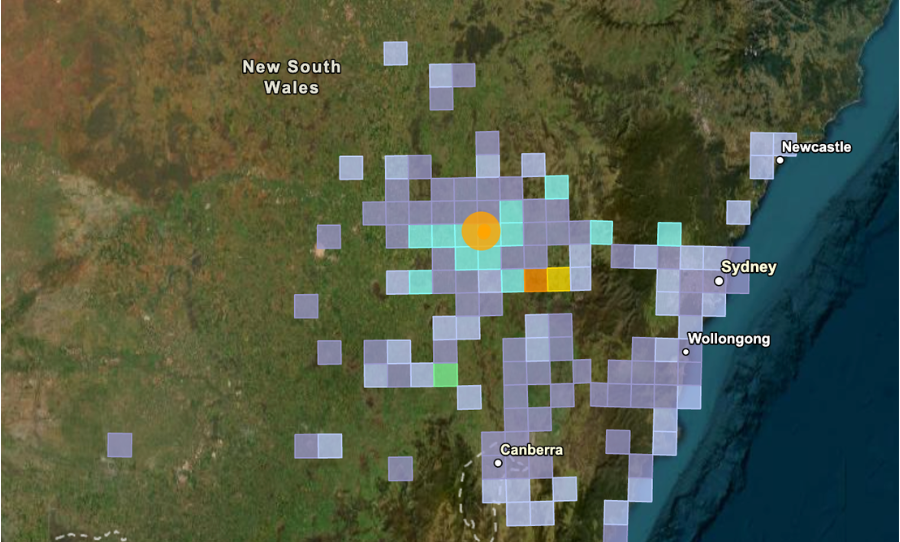
A moderate earthquake rattled parts of southern NSW on Wednesday evening, with tremors felt as far as Sydney and Canberra.
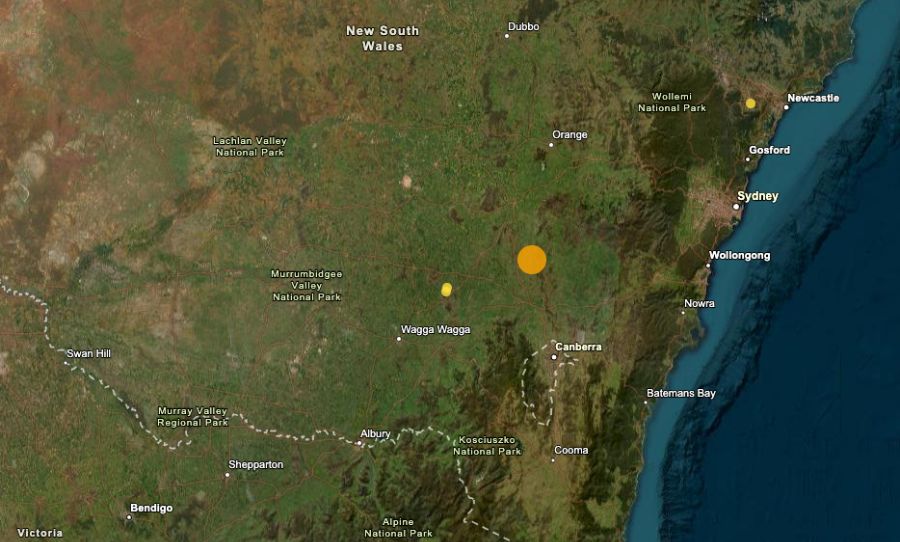
According to Geoscience Australia, the quake measured magnitude 4.4 and struck at 7:09pm (AEDT) on March 11.
The epicentre was near the regional town of Boorowa, southwest of Sydney and north of Canberra, at a depth of about 12 kilometres.
Within the first 12 hours, Geoscience Australia logged nearly 7,000 “felt reports” from residents who noticed the shaking.
People across Wollongong, Goulburn and Batemans Bay also reported the tremor.
For those who did feel it, the experience was quick but a little unnerving. Some described it as “like a train rumbling past”, while others said it felt more like a truck slamming into the house.
In a few suburbs around Canberra and Sydney, people reported walls shaking and floorboards vibrating for a few seconds.
Thankfully, there have been no reports of injuries or serious structural damage.
Experts say earthquakes at this magnitude can sometimes cause minor issues, like cracked plaster or things falling off shelves, but widespread damage is unlikely.
The Bureau of Meteorology also confirmed there is no tsunami risk from the quake, since it occurred inland.
While Australia isn’t exactly known for earthquakes, they do happen.
Seismologists say Wednesday night’s tremor is one of the strongest recorded in that immediate region in decades – the largest since a magnitude 4.8 event back in 1977.
Because Australia sits in the middle of a tectonic plate rather than on a plate boundary, most local earthquakes are what scientists call “intraplate earthquakes.”
Essentially, stress slowly builds up within the Australian plate before suddenly releasing.
Small aftershocks can sometimes follow an event like this, although they’re usually much weaker than the initial quake.
And if you were one of the people who felt the shake, you can actually help researchers by submitting a “felt report” through the Geoscience Australia website.