“The Purest Form of Art”
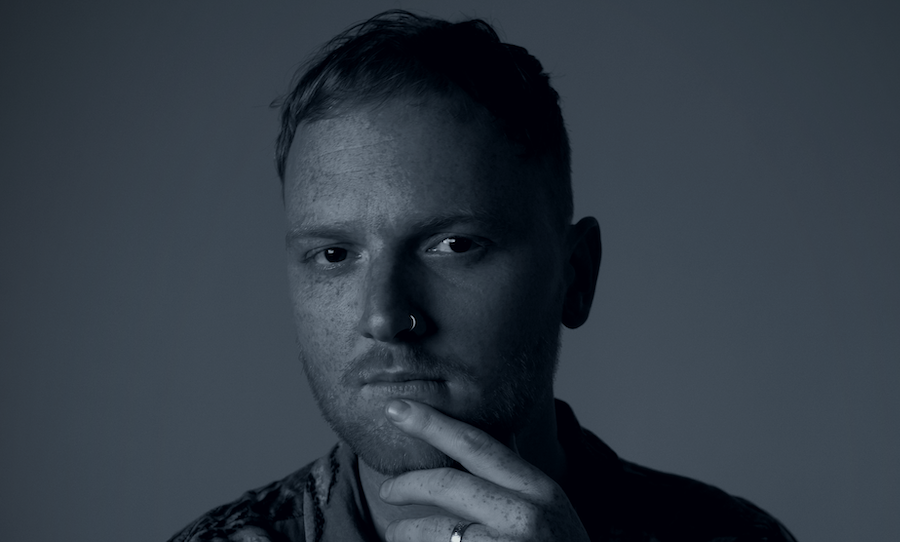
After a decade behind the boards, producer Robina is finally stepping into the light.
Drawing on the cinematic melancholy of Massive Attack and the bruised vulnerability of James Blake, his self-titled debut album is a deeply personal reckoning.
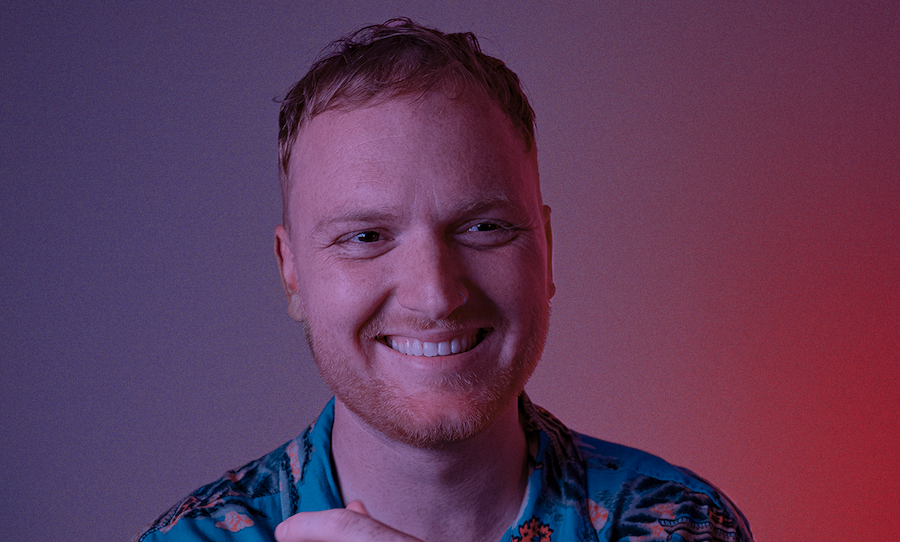
Shaped by the slow unravelling of a five-year relationship and the clarity that followed, the record transforms grief and doubt into something luminous.
We sat down with the artist, who recently relocated from the Gold Coast to Melbourne, to discuss the two-year journey of making the album.
He opens up about the painful, small detail that inspired the track ‘Front Light’, the moment he stopped hiding his vocals behind production, and why, after all these years, success is no longer about reaching the most ears, but about creating something honest that will stand the test of time.
HAPPY: What’d you get up to today?
ROBINA: Working from home as an audio engineer! Currently working on some ghost production for an artist writing UKG and bass house haha
HAPPY: Tell us a little about where you’re from, and what you love about it!
ROBINA: I’ve recently moved to Melbourne from the Gold Coast to pursue music and audio engineering down here! I love how much more connected the music industry is down here in Melbs.
HAPPY: The new album is self-titled. What does finally putting your own name on a body of work signify for you at this point in your career?
ROBINA: It’s been a dream of mine as an artist to create a body of work that is purely me, not fitting into any specific genre or style! The purest form of art :)
HAPPY: The song ‘Front Light’ is a powerful example of turning a small, painful detail into a central theme. Can you tell us a little more about how that specific image became the heart of the track and, in many ways, the album?
ROBINA: The song “Front Light” came from something that seems really small on the surface. My ex-partner used to leave the front light on for me when I got home, and at some point she stopped.
It might not sound like much, but little moments like that started to add up and made me realize things had changed between us.
For me, it became a really clear symbol of the distance that had grown in the relationship. It was one of those quiet realizations that she didn’t love me anymore the way she used to.
That image stuck with me, and it ended up becoming the heart of the track and a feeling that runs through a lot of the album.
HAPPY: You mentioned using a Zoom recorder to capture real-world sounds, like rain or a late train. Was there one specific field recording on this album that became a crucial part of a track, or that transports you right back to that moment every time you hear it?
ROBINA: Throughout the album, many sounds come directly from my Zoom recorder
One night in the studio, a summer storm rolled in and I lost power. I ended up sitting out the front for about an hour, recording the rain and thunder. Those recordings became part of the project.
Each interlude on the album includes small snippets of moments I captured during the writing process. Even some of the snares and hi hats you hear throughout the album actually started as recordings from the Zoom recorder.
HAPPY: Vocal confidence was a major part of this album’s journey. How did your approach to recording your own voice change over these two years, from the first track ‘Round & Around’ to the closing notes of ‘Faithful Anna’?
ROBINA: Vocal confidence ended up being a huge part of the journey with this album. At the start, I honestly didn’t think I could sing, and some days I still feel like I can’t.
But over time I realised that confidence in the studio really shows in your voice. If you believe in what you’re doing, it changes the way you deliver a line.
On “Round & Around” you can hear that I relied a lot more on processing and effects on my vocals. I think I was still trying to hide behind the production a bit.
By the time I recorded “Faithful Anna,” my approach had changed completely. My voice sits right at the front of the mix and there’s not much there to hide behind. That shift really reflects the growth I went through while making the album.
I still have moments where I think my voice could sound better or more polished, or maybe more marketable. But at the end of the day I’m really proud of what I made.
The album captures that whole process of finding confidence in my voice, and I reckon it’s something that will stand the test of time.
View this post on Instagram
HAPPY: You’ve cited the film The Beach as a visual reference, specifically that “nostalgic, fast, dark blues” feeling. If the album had a colour palette, what would it be and why?
ROBINA: If the album had a colour palette, it would definitely be blue and washed out. The whole record feels very raw and nostalgic to me, and those colours capture that mood really well.
The soundtrack and atmosphere in The Beach have this feeling of nostalgia mixed with darker tones, especially in those fast, deep blues you see throughout the film.
That’s a similar feeling to what I hope people get when they listen to the album. It has that reflective, slightly faded quality, like looking back at something that meant a lot to you but has already passed.
HAPPY: ‘Leave nothing unturned’ was a key piece of advice you received. Was there a moment in the studio where you surprised yourself by just how deep you were willing to go, either emotionally or technically?
ROBINA: I think the moment that surprised me most was actually when I finished the album and realised how proud I was of it. Completing a full body of work and knowing I really committed to it felt like a huge accomplishment. Along the way I learned a lot about myself and about the process.
A big part of that was singing on every track. Coming into the music production world through electronic music, I never imagined I would end up making an album where my own voice was on every song. In my wildest dreams I didn’t think I’d have the confidence to do that.
So in a way, the depth wasn’t just emotional, it was also technical and personal. I pushed myself to keep going, to keep learning, and to leave nothing unturned while making it.
Finishing the album and hearing my voice across the whole project was a moment where I realised I’d gone much further than I ever expected.
HAPPY: You’ve been producing for over a decade. How does it feel to finally be releasing your debut album, and did the long journey to this point change what “success” for this record looks like to you?
ROBINA: It feels amazing to finally have the album out. I’ve been producing for over a decade, so reaching this point and releasing a full debut album is really special to me.
At the start, I think my idea of success was getting the music to as many ears as possible. Of course I’d still love for the whole world to hear it. But over time that idea shifted a bit. Just finishing the album and creating something I’m genuinely proud of already feels like a huge achievement.
For me, success now is knowing I made something honest that will be there for the test of time. It represents a lot of years of learning, experimenting, and growing as an artist.
Now that it’s out, I feel really proud and accomplished, and I’m excited to move on to the next productions with the new skills and confidence I’ve gained from making this record.
HAPPY: Lastly, what makes you happy? :-)
ROBINA: My goodness haha making music , surfing and my friends n family