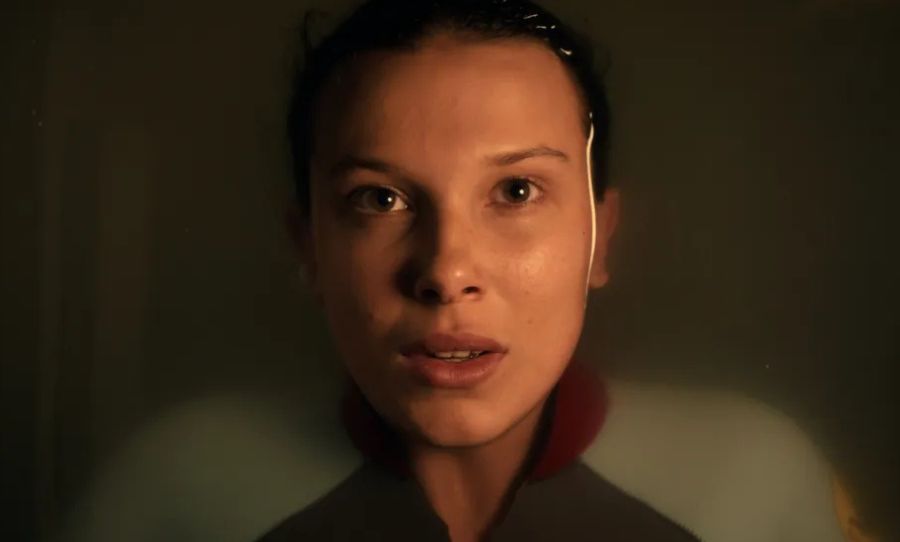
There are cultural moments – and then there are Stranger Things musical moments.
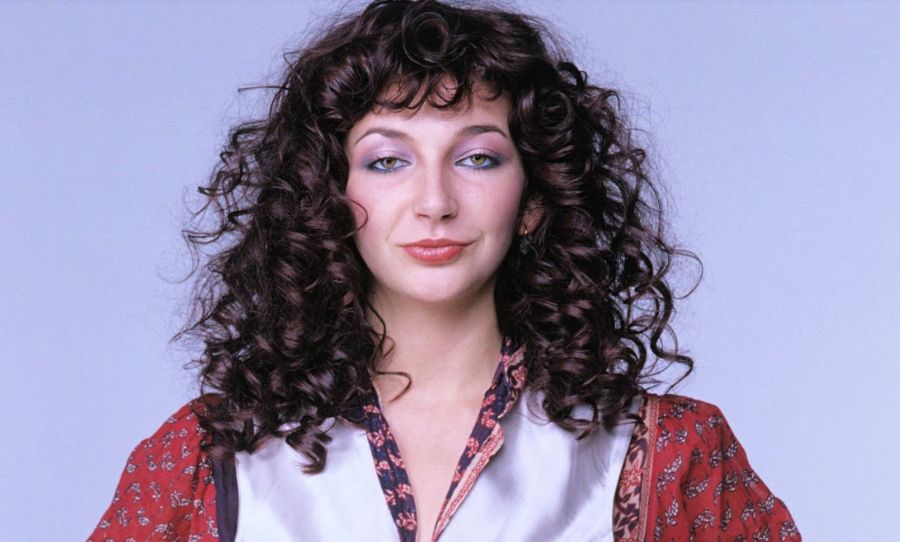
Back in 2022, a surge in interest in Kate Bush’s ‘Running Up That Hill (A Deal With God)‘ turned a 1985 single into a global hit nearly four decades after its release.
Suddenly, every playlist and TikTok sounded like Hawkins, Indiana – and a new generation rediscovered Bush’s expressive, enigmatic art. That phenomenon rewrote how the music world sees the power of sync placement in television. Stranger Things did it again – this time for Prince.
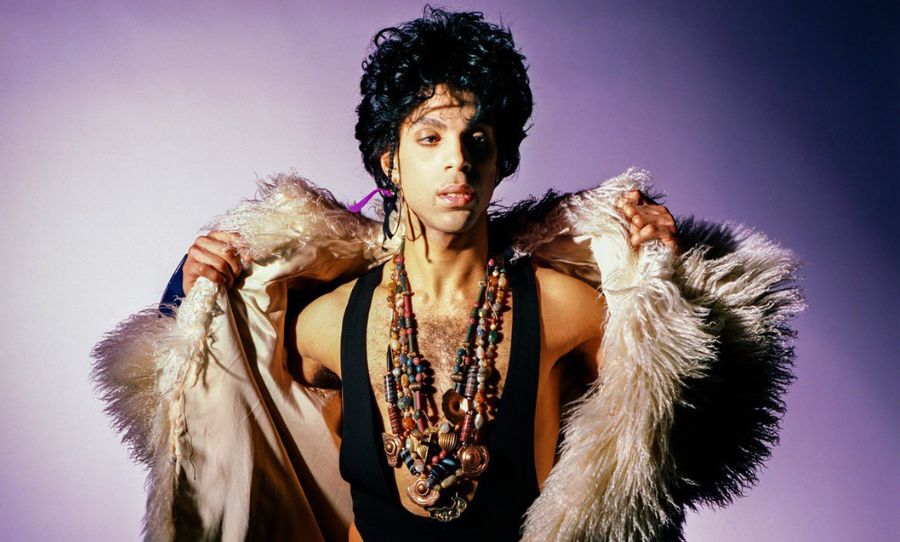
The finale of Stranger Things – a sweeping, two-hour conclusion to the show’s five-season arc – leaned on the emotional and dramatic heft of two of Prince’s most iconic songs: ‘When Doves Cry’ and ‘Purple Rain.’
These tracks, both central pieces of his 1984 Purple Rain opus, were woven into pivotal moments in the finale’s narrative, heightening emotional stakes and introducing his artistry to millions of viewers.
It’s worth noting just how rare this sync placement was. Prince’s estate is notoriously protective of his catalogue, especially his most iconic songs.
For decades, these tracks were rarely licensed outside their original context, almost never appearing in TV shows or commercials.
According to the show’s creators, it was a “real long shot” to secure the rights – and they openly credited the precedent of Kate Bush’s resurgence on Stranger Things with helping persuade the estate to say yes.
Once the finale aired on New Year’s Eve, the effect was immediate and dramatic — and eerily reminiscent of the Bush phenomenon. ‘Purple Rain’ saw an extraordinary surge in global Spotify streams, with an even more remarkable increase among Gen Z listeners.
‘When Doves Cry’ climbed significantly, again with major gains among younger audiences. Overall, streams across Prince’s entire catalog jumped dramatically, with younger listeners discovering him for the first time.
Prince has long been revered by older fans and music historians as one of the most revolutionary artists of the late 20th century – a virtuoso who blended funk, rock, pop, R&B, and avant-garde sounds in a way few others have.
But until now, much of that acclaim lived in older ears and niche playlists. The Stranger Things finale repackaged the tracks as emotional signifiers for a generation raised on Netflix and streaming.
In doing so, it turned moments of narrative climax into modern gateways: a climactic goodbye between beloved characters here, an escape from the Upside Down there – and suddenly Prince is more than a legendary figure.
He’s a soundtrack to a shared cultural experience across age groups. Much like Bush’s resurgence a few years earlier, this kind of rediscovery tells us something about how contemporary audiences consume music: it isn’t confined to its original era.
A perfectly sync can revive and redefine a songwriter’s legacy for years to come, and in Prince’s case – his purple storm is just getting started.