Past tragedies make the warning feel urgent
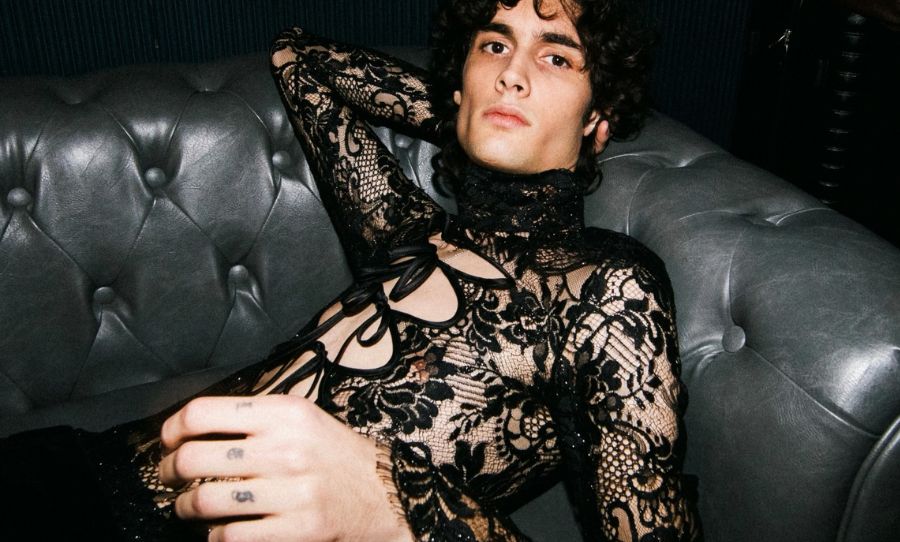
During the final night of his three‑show London run, Sombr’s performance of ‘Back to Friends’ took an unexpected turn.
Mid-song, he halted the music after spotting a fan collapse in the crowd, pointing towards them, he scolded, “This is the most poorly managed venue I’ve ever played at in my life. You guys need to pay attention. It’s insane. Safety comes first.”
Fainting at concerts seems to be happening more often–or at least, it’s more visible than ever.
Clips on TikTok, Instagram, and X make it feel like a rising trend, even if the phenomenon itself hasn’t changed dramatically.
At a venue like Brixton Academy, it’s easy to see why tensions run high.
Just a few years ago, a deadly crowd crush outside a show led to deaths and serious injuries, forcing the venue to shut down from 2022 to 2024.
Sombr, whose real name is Shane Michael Boose, clearly didn’t need a reminder of how quickly things can go wrong.
Now more than ever, artists are more willing to call out safety concerns in real time, pointing out fainting fans, medical emergencies, or overcrowding mid-show.
Those moments now spread instantly online, amplifying the sense that something is changing about concert culture.
High-profile tragedies, from Astroworld to Brixton itself, have made it clear: if performers don’t use their voices, the loudest in the room, nobody else will.
There’s also a quieter reason fainting may be more common: modern queuing and festival culture. Fans camp out for days, sometimes skipping water or food so they can secure prime spots at the barricade.
What used to be a casual overnight line now feels like a competitive sport, and those packed front rows are where the fainting happens, right in an artist’s line of sight.
In other words, it’s not just the heat, the music, or the adrenaline. It’s a whole ecosystem: long lines, extreme devotion, social pressure, and now social media documentation.
The show went on, but the warning lingered long after the last note.